
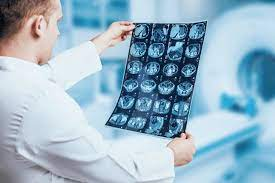
Medical imaging plays an important role in identifying health conditions and helping doctors plan appropriate treatment. From investigating persistent pain to monitoring an existing condition, diagnostic scans provide valuable information about the body's internal structures. If you are searching for a radiologist in Najafgarh, choosing a qualified professional and a diagnostic centre with suitable imaging facilities is an important step towards informed healthcare.
A radiologist is a medical doctor trained to interpret medical images and assist in diagnosing different conditions. Depending on the facility and the clinical requirement, radiology services include X-rays, ultrasound scans, Doppler studies, CT scans, and MRI examinations.
Physical examinations and symptoms sometimes do not provide enough information to identify the cause of a health problem. Medical imaging helps doctors examine internal organs, bones, blood vessels, and soft tissues.
A radiologist interprets the images and prepares a report for the treating doctor. These findings support diagnosis, treatment planning, and follow-up care.
Doctors might recommend radiological investigations for several reasons:
To investigate persistent abdominal, joint, or back pain.
To assess injuries and possible bone fractures.
To examine internal organs and soft tissues.
To evaluate blood flow through selected blood vessels.
To monitor certain medical conditions during treatment.
To assess pregnancy-related concerns through appropriate imaging.
The choice of investigation depends on the patient's symptoms, medical history, and the doctor's assessment.
The imaging facilities available vary between diagnostic centres. Understanding the common services helps you discuss the appropriate investigation with your doctor.
Ultrasound uses sound waves to create images of internal structures. Doctors often recommend ultrasound to examine abdominal organs, the pelvis, kidneys, and other areas. It is also widely used in pregnancy care when clinically appropriate.
X-rays help doctors assess bones and certain internal structures. They are commonly used to investigate suspected fractures, chest conditions, and some joint problems.
Colour Doppler imaging evaluates blood flow through blood vessels. Depending on the clinical requirement, doctors use it to investigate circulation-related concerns and assess selected vascular conditions.
Computed tomography (CT) uses X-rays and computer processing to create detailed cross-sectional images. It helps doctors investigate various conditions involving internal organs, bones, and other structures. The need for a CT scan depends on the clinical situation.
Magnetic resonance imaging (MRI) uses magnetic fields and radio waves to produce detailed images of soft tissues and other body structures. Doctors might recommend MRI for selected neurological, spinal, joint, and musculoskeletal concerns.
Not every radiology centre offers all these services. Confirm the availability of the required investigation before booking an appointment.
Selecting a suitable radiologist involves more than finding a centre close to your home. Consider these important factors before scheduling your scan.
Professional qualifications: Verify that the radiologist has recognised medical qualifications and appropriate training in diagnostic imaging.
Available imaging equipment: Confirm whether the centre provides the specific investigation prescribed by your doctor.
Image quality and reporting: Ask about reporting timelines and whether the findings will be reviewed by a qualified radiologist.
Hygiene and patient safety: Look for proper equipment maintenance, infection-control procedures, and safe imaging practices.
Clear instructions: Choose a centre that explains preparation requirements, scan procedures, and the expected time needed for the examination.
Convenient location and appointments: Consider accessibility, appointment availability, and transparent pricing.
These factors help you choose a diagnostic service that meets your medical requirements.
Preparation depends on the type of scan. Some ultrasound examinations require fasting, while others need no special preparation. Certain investigations require specific instructions about clothing, medication, or contrast materials.
Before your appointment, follow these steps:
Carry the prescription and relevant previous reports.
Inform the medical team about allergies, existing medical conditions, and relevant medical devices or implants.
Tell the staff if you are pregnant or suspect that you might be pregnant before undergoing an imaging examination.
Follow the centre's instructions regarding food, fluids, or other preparation.
Ask when and how the report will be provided.
Never skip a prescribed investigation or change medication without discussing your concerns with your healthcare professional.
A radiology report describes the observations made during an imaging examination. It might include normal findings, abnormalities, or recommendations for further assessment.
The report should be reviewed alongside your symptoms, physical examination, medical history, and other investigations. Your treating doctor explains what the findings mean and whether additional testing or treatment is necessary.
A finding on an imaging scan does not always indicate a serious disease. Similarly, a normal scan does not exclude every possible cause of symptoms. Clinical interpretation remains important.
If you are looking for a radiologist in Najafgarh, focus on professional qualifications, the availability of the required scan, reporting quality, patient safety, and clear appointment instructions.
Choosing an appropriate diagnostic centre helps you complete doctor-recommended investigations with greater confidence. Discuss your symptoms and scan requirements with your healthcare provider to ensure that the selected imaging examination is suitable for your needs.
1. What tests does a radiologist perform?
Depending on the diagnostic centre, radiology services include ultrasound, X-rays, colour Doppler studies, CT scans, and MRI examinations. Availability varies by facility.
2. Do I need a doctor's prescription for a radiology scan?
Requirements depend on the investigation and the diagnostic centre. A prescription helps ensure that the examination matches your clinical needs. Contact the centre to confirm its documentation requirements.
3. How long does it take to receive a radiology report?
Reporting time varies according to the type of examination, the complexity of the findings, and the centre's procedures. Ask the diagnostic centre about the expected reporting time when booking your appointment.
| Tags: | # Radiologist in dwarka sector 7 , # Radiologist in dwarka sector 6 , # Radiologist in dwarka , # Radiologist in najafgarh |


